











Mind body care

Adult Autism (ASD) Assessment

Understanding Autism in Adulthood

Many adults spend years feeling different without fully understanding why social interactions, communication, or sensory environments can feel challenging. An Adult Autism (ASD) Assessment provides clarity by offering a comprehensive evaluation of how an individual experiences the world.

A professional autism assessment goes beyond a simple checklist. It provides a deeper understanding of your cognitive patterns, emotional experiences, social communication style, and personal strengths. For many adults, receiving an autism assessment can be a life-changing step toward self-awareness and personal growth.

Why Adults Seek Autism Assessment

Many individuals pursue an autism assessment later in life, often in their 20s, 30s, 40s, or beyond. Some may recognize patterns in their behavior after learning more about autism, while others may seek answers after a family member receives a diagnosis.
An adult autism assessment can help individuals better understand lifelong challenges related to:
Receiving a diagnosis—or even a detailed psychological profile—can help replace years of confusion or self-doubt with a clearer understanding of personal experiences.
Why Adults Seek Autism Assessment

What Is an Adult Autism Assessment?

An Adult Autism Spectrum Disorder (ASD) Assessment is a comprehensive psychological evaluation conducted by a licensed psychologist or qualified clinician. The goal is to identify patterns consistent with autism while also understanding the individual’s unique strengths and challenges.
What Is an Adult Autism Assessment
The assessment typically evaluates several areas, including:
Rather than simply confirming or ruling out a diagnosis, the assessment helps create a complete picture of how an individual thinks, communicates, and navigates daily life.

Signs of Autism in Adults

Autism can present differently in adults compared to childhood. Many adults have developed coping strategies or masking behaviors that make their traits less obvious.

Common signs of autism in adults may include:

Because autism exists on a spectrum, every person’s experience is unique.

Benefits of an Adult Autism Diagnosis

For many individuals, receiving an autism diagnosis later in life can be incredibly validating. It often provides a new framework for understanding personal experiences and challenges.
Benefits of an Adult Autism Diagnosis

Our Adult Autism Assessment Process

Services Offfered

Initial Consultation

The process begins with a consultation to discuss your history, current concerns, and goals for the assessment.

Services Offfered

Comprehensive Evaluation

The clinician conducts structured interviews, standardized testing, and behavioral observations to evaluate cognitive, social, and emotional functioning.

Services Offfered

Background Information

When appropriate and with consent, additional context may be gathered from past records or family members to better understand developmental history.

Services Offfered

Feedback Session & Report

You will receive a detailed report explaining the findings. In the feedback session, the clinician will review results, answer your questions, and discuss the next steps.


Late Autism Diagnosis in Adults

Many adults—particularly women and individuals who learned to mask their traits—remain undiagnosed for years. Research shows that receiving a diagnosis later in life can still provide significant psychological benefits, including improved self-acceptance and access to supportive communities.

It is never too late to seek understanding.

Who Should Consider an Adult Autism Assessment

Who Should Consider an Adult Autism Assessment?

An autism assessment may be helpful if you:

An assessment provides insight that can guide personal growth, therapy, and life decisions.

Quick Self-Reflection: Could Autism Assessment Help?

While only a professional assessment can provide a diagnosis, adults sometimes seek evaluation if they experience:

If these experiences resonate with you, an Adult Autism Assessment may help provide clarity and guidance.
Quick Self-Reflection: Could Autism Assessment Help

Schedule an Adult Autism Assessment With MB Care

If you are seeking clarity about autism in adulthood, our team at MB Care provides compassionate, evidence-based Adult Autism (ASD) Assessments in a supportive environment.

Contact us today to schedule a consultation and begin your journey toward greater understanding.

Frequently Asked Questions About Adult Autism Assessment

How is autism diagnosed in adults?
Autism in adults is diagnosed through a psychological evaluation by a licensed clinician. The process may include interviews, standardized tests, behavioral observations, and a review of developmental history.
What are common signs of autism in adults?

Common signs may include difficulty understanding social cues, sensory sensitivities, preference for routines, strong focus on specific interests, and challenges with organization or time management.

Is it possible to be diagnosed with autism later in life?

Yes. Many people receive an autism diagnosis in adulthood after recognizing long-standing patterns in their experiences or learning more about autism through research or family diagnoses.

What happens during an adult autism assessment?

An assessment may include interviews about personal history, psychological tests, and observation of communication and behavior. The clinician then provides a report with findings and recommendations.

How long does an adult autism assessment take?

The process often takes several hours and may be completed over one or more sessions to allow for a thorough evaluation.

Can adults benefit from an autism diagnosis?

Yes. A diagnosis can help with self-understanding, access to workplace accommodations, and support through specialized therapies or services.

Is autism assessment different for adults than for children?

Yes. Adult assessments focus more on life experiences, relationships, work challenges, and coping strategies developed over time.

Specializations

Areas of Focus at Mind-Body Care

Meet The Therapists

Shilpa Kapoor, Psy.D.

Owner and Founder
Licensed Psychologist

Hanna Chang

Hanna Chang, Ph.D.

Licensed Psychologist

Lyndsay Reese

Lyndsay Reese, Psy.D.

Licensed Psychologist

Jesse Schulte

Jesse Schulte, Ph.D.

Licensed Psychologist

Emily Horowitz

Emily Horowitz, Psy.D.

Licensed Psychologist

Elizabeth Newman

Elizabeth Newman, Psy.D.

Psychological Associate
Supervised by
Dr. Lyndsay Reese

Kyle Cacoyannis

Kyle Cacoyannis, Psy.D.

Licensed Clinical Psychologist

Angela Johnson

Angela Johnson, Ph.D.

Psychological Associate

Supervised by
Dr. Shilpa Kapoor

Shipra

Shipra Maurya, Psy.D.

Psychological Associate

Supervised by
Dr. Shilpa Kapoor

Sherry

Sherry Lin, AMFT

Supervised by
Sunita Roychoudhury, LMFT, LPCC

Paria Razavi, AMFT

Supervised by
Sunita Roychoudhury, LMFT, LPCC

Taylor Reinke, AMFT

Supervised by
Sunita Roychoudhury, LMFT, LPCC

Sanika Hage

Sanika Hage

Psychological Associate
Supervised by
Dr. Shilpa Kapoor

Marco Castro

Psychological Associate
Supervised by
Dr. Lyndsay Reese

hannah-hulscher

Hannah Hulscher, MA

Executive Function Coach

Jas

Jas Chok

Practicum Student
Supervised by
Dr. Shilpa Kapoor

Selena Saad

Practicum Student
Supervised by
Dr. Shilpa Kapoor

Shilpa Kapoor, Psy.D.

Owner and Founder
Licensed Psychologist

Hanna Chang

Hanna Chang, Ph.D.

Licensed Psychologist

Lyndsay Reese

Lyndsay Reese, Psy.D.

Licensed Psychologist

Jesse Schulte

Jesse Schulte, Ph.D.

Licensed Psychologist

Emily Horowitz

Emily Horowitz, Psy.D.

Licensed Psychologist

Elizabeth Newman

Elizabeth Newman, Psy.D.

Psychological Associate
Supervised by
Dr. Lyndsay Reese

Kyle Cacoyannis

Kyle Cacoyannis, Psy.D.

Licensed Clinical Psychologist

Angela Johnson

Angela Johnson, Ph.D.

Psychological Associate

Supervised by
Dr. Shilpa Kapoor

Shipra

Shipra Maurya, Psy.D.

Psychological Associate

Supervised by
Dr. Shilpa Kapoor

CarolineLee

Caroline Lee, AMFT

Supervised by
Sunita Roychoudhury, LMFT

Sherry

Sherry Lin, AMFT

Supervised by
Sunita Roychoudhury, LMFT, LPCC

Paria Razavi, AMFT

Supervised by
Sunita Roychoudhury, LMFT, LPCC

Taylor Reinke, AMFT

Supervised by
Sunita Roychoudhury, LMFT, LPCC

Sanika Hage

Sanika Hage

Psychological Associate
Supervised by
Dr. Shilpa Kapoor

Marco Castro

Psychological Associate
Supervised by
Dr. Lyndsay Reese

hannah-hulscher

Hannah Hulscher, MA

Executive Function Coach

Jas

Jas Chok

Practicum Student
Supervised by
Dr. Shilpa Kapoor

Selena Saad

Practicum Student
Supervised by
Dr. Shilpa Kapoor

Prabhpreet Kaur, MA

Psychological Associate
Supervised by
Dr. Hanna Chang

Shilpa Kapoor, Psy.D.

Owner and Founder
Licensed Psychologist

Hanna Chang

Hanna Chang, Ph.D.

Licensed Psychologist

Lyndsay Reese

Lyndsay Reese, Psy.D.

Licensed Psychologist

Jesse Schulte

Jesse Schulte, Ph.D.

Licensed Psychologist

Emily Horowitz

Emily Horowitz, Psy.D.

Licensed Psychologist

Elizabeth Newman

Elizabeth Newman, Psy.D.

Psychological Associate
Supervised by
Dr. Lyndsay Reese

Kyle Cacoyannis

Kyle Cacoyannis, Psy.D.

Licensed Clinical Psychologist

Angela Johnson

Angela Johnson, Ph.D.

Psychological Associate

Supervised by
Dr. Shilpa Kapoor

Shipra

Shipra Maurya, Psy.D.

Psychological Associate

Supervised by
Dr. Shilpa Kapoor

Seja Saddy

Seja Saddy

Supervised by
Dr. Lyndsay Reese

CarolineLee

Caroline Lee, AMFT

Supervised by
Sunita Roychoudhury, LMFT

Sherry

Sherry Lin, AMFT

Supervised by
Sunita Roychoudhury, LMFT, LPCC
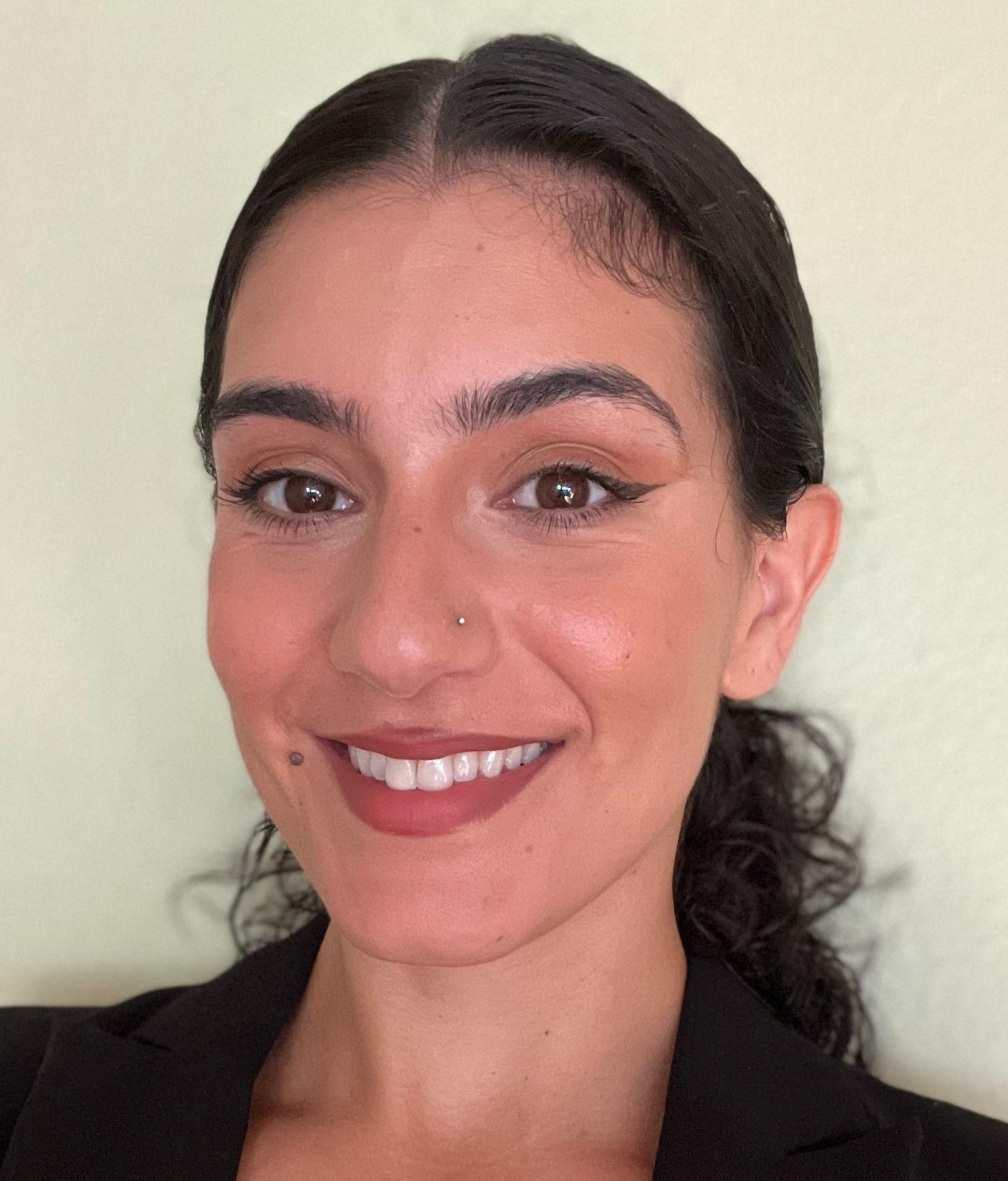
Paria Razavi, AMFT

Supervised by
Sunita Roychoudhury, LMFT, LPCC

Sanika Hage

Sanika Hage

Psychological Associate
Supervised by
Dr. Shilpa Kapoor

Marco Castro

Psychological Associate
Supervised by
Dr. Lyndsay Reese

hannah-hulscher

Hannah Hulscher, MA

Executive Function Coach

Madison Segura

Madison Segura, BS

Office Manager

Jas

Jas Chok

Practicum Student
Supervised by
Dr. Shilpa Kapoor

Selena Saad

Practicum Student
Supervised by
Dr. Shilpa Kapoor

Our Blog

Scroll to Top