
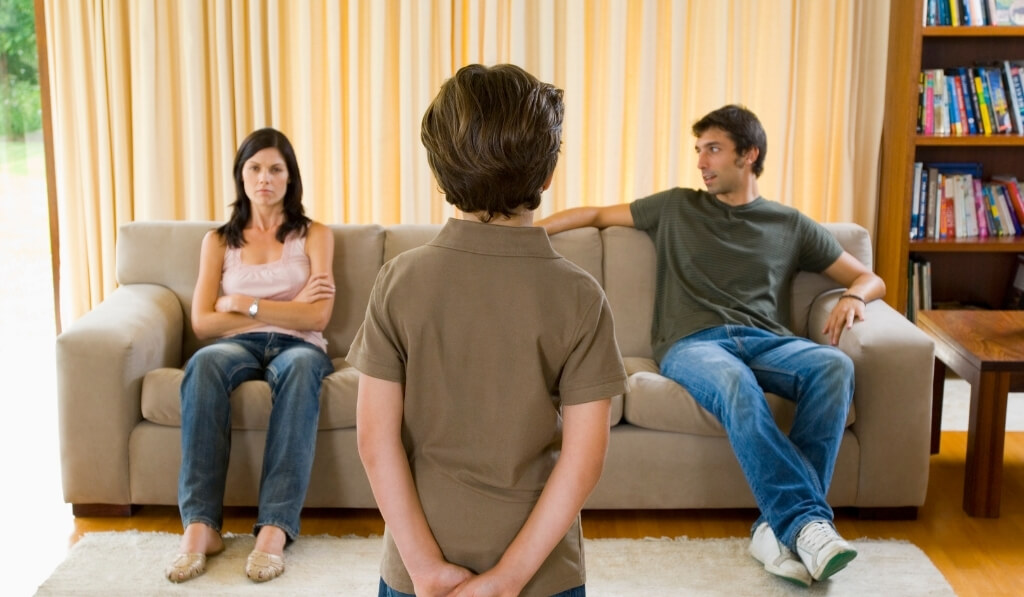
Maybe you have noticed that some people seem lost in their closest relationships, jumping back and forth between needing someone and pushing them away. If this sounds familiar, it might be a sign of a disorganized attachment style.
In 2025, mental health experts and people like you are talking about this subject more than ever. Recent research shows more people want to know how childhood experiences shape adult mental health, relationships, and even therapy results.
The topic feels personal because many struggle to name what they feel inside. Disorganized attachment style can impact how you think, feel, and connect with others. If you wonder why relationships hurt or why trust feels scary, learning about this attachment style might help.
Table of Contents
ToggleUnderstanding Disorganized Attachment Style in 2025
Disorganized attachment is a confusing and unpredictable way of relating to others. It often shows up as a mix of wanting closeness but also fearing it. You may care deeply about someone yet feel scared of getting too close or even of the person themselves.
Unlike secure attachment, which feels calm and safe, disorganized attachment can look like both anxious and avoidant styles at once: reaching out then pulling away. This back-and-forth can create marriage communication issues as partners struggle to manage emotional highs and lows.
This pattern has been linked by mental health experts with early trauma, chronic stress, and disrupted bonding relationships. Newer studies, like scans of the brains and family histories, will shed light on the two inner conflicting aspects that people with disorganized attachment exhibit.
Origins and Development of Disorganized Attachment
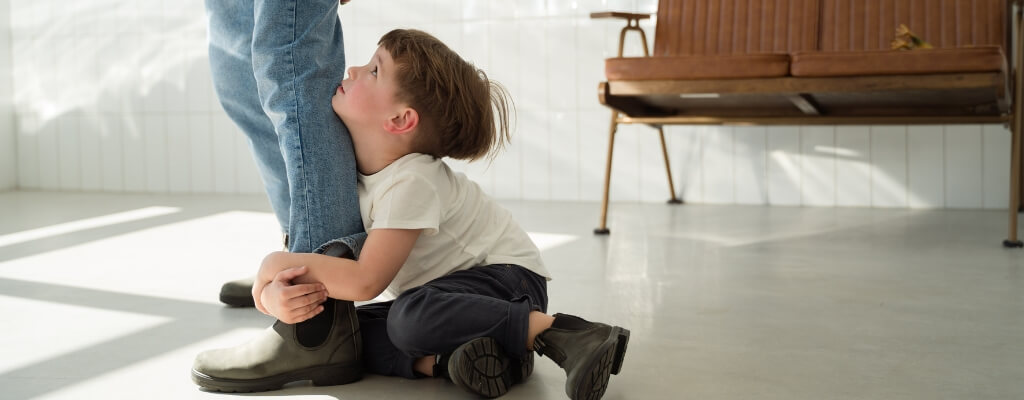
Disorganized attachment often starts in childhood. If a caregiver scares or confuses a child, the child learns mixed messages. A parent may be loving one moment, then harsh the next. Sometimes, trauma, neglect, or sudden losses break trust.
Common early experiences that lead to disorganized attachment include-
- Witnessing or experiencing abuse or threats.
- Growing up with parents who act unpredictably or frighteningly.
- Feeling unsafe during daily life, even if only in small moments.
- Living with caregivers who struggle with mental illness or addiction.
The child learns not to trust their own feelings or the caregivers. When this happens over and over, the child may freeze, hide, or act out because they have no clear path to safety.
Signs and Patterns of Disorganized Attachment in Adults
Adults with a disorganized attachment style show certain signs, though these can shift day by day. You might notice these patterns in yourself or someone you know-
- Trouble trusting others, even those close to you.
- Fear of getting hurt or abandoned, mixed with anger or withdrawal.
- Behaviors that flip between clinging and pushing away.
- Deep confusion about how to feel safe in relationships.
- Sudden mood changes occur when partners or friends act in ways that feel unsafe.
In 2025, life feels busy and connected through screens, which adds fresh stress to relationships. Technology might help you stay in touch, but it also brings new worries. Someone with disorganized attachment may overthink a simple message or get upset by online misunderstandings.
Personal relationships, especially marriage and dating, can suffer. The mixed messages and sudden emotional changes can cause fights or distance.
How Disorganized Attachment Impacts Daily Life and Relationships

Living with a disorganized attachment style affects your daily mood, habits, and ability to trust. Work, friendships, and romance may all feel hard at times.
Effects on Mental Health and Self-Image
Many adults with this pattern struggle with mental health. Anxiety, depression, and complex trauma become common. You might blame yourself for being too much or not enough. Self-doubt builds over time.
Counselling can help, especially with someone who understands trauma. A trauma therapist Mountain View can help you sort out feelings from the past and find better coping tools. Some people find hope in therapy groups or guided self-help, which help self-image and reduce harsh self-judgment.
Relationship Struggles: Communication and Trust Issues
When it comes to family, friends, or couples, communication often breaks down. You may want closeness but fear being let down. This confusion shows up in simple moments, like texting a friend or talking with your spouse.
Emotional outbursts, silent treatments, or mistrust can become a habit. This makes it hard to build real intimacy or solve problems as a team. If you see these issues at home, searching for help can point you to tools that teach better ways to talk and listen.
Implications for Parenting and Family Cycles
Disorganized attachment style does not stop with one person—it can pass from parent to child. If you grew up with messy emotions at home, you may feel unsure how to parent now. This creates worry and guilt because you want to give your kids something better.
Patterns can repeat unless someone interrupts them. Modern families in 2025 look for new ways to break the old cycle. Talking with counselors, building steady routines, and sharing safe feelings helps stop the problem from growing for another generation.
The Bottom Line
Disorganized attachment style influences how you feel about yourself, who you love, and how you cope with pain. In 2025, more people will recognize its impact on mental health and relationships. If you see these patterns in your life, you are not alone.
Remember that you have the right to feel safe, both inside your own mind and with those you love. It takes real courage to ask for help, but healing is possible. Addressing a disorganized attachment style can unlock stronger, safer, and happier connections. Better relationships and mental health are within reach.