
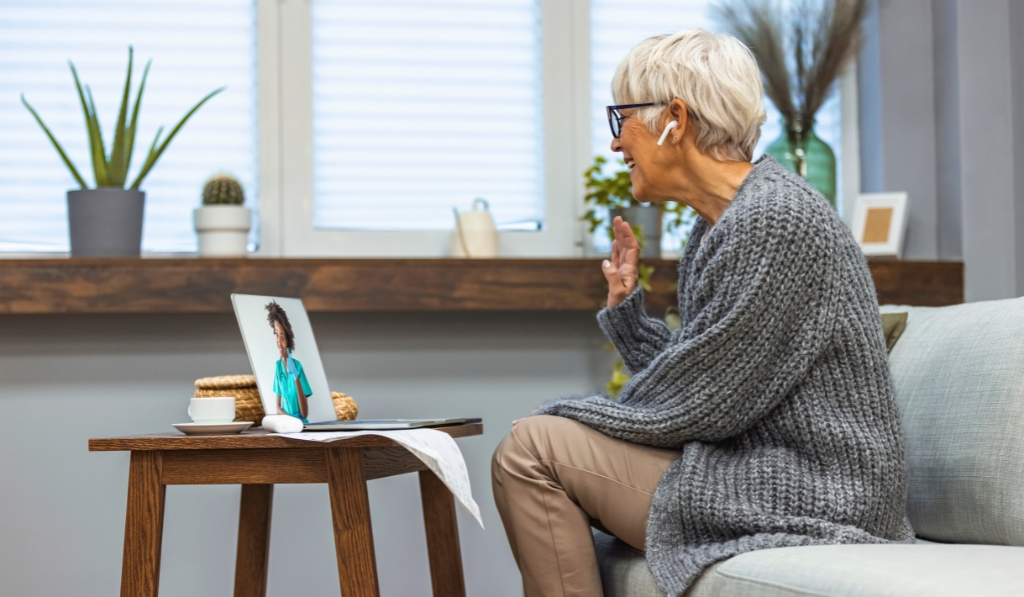
Mental health support has changed a lot over the past few years. Today, more people use online therapy and in-person counseling for help. Computers, phones, and video calls now bring care right into your living room. This gives you more power and choice. More people can get help where and when they need it.
Some like talking face-to-face, yet others find screens easier and less scary. Both ways can work. Your choice depends on your life, comfort, and what feels safe. This blog explains the pros and cons of online therapy vs in-person counseling so you can pick the best fit for you or your loved ones.
Table of Contents
ToggleAdvantages and Disadvantages of Online Therapy
Many choose online therapy because it fits busy lives. No one likes to sit in long traffic or wait weeks for an appointment. Some people feel better sharing tough feelings from their own space.
But online sessions can have limits. Not everyone likes to talk on screens. Service outages, privacy worries, and costs can also be hard for some.
Benefits of Online Therapy
Online therapy in San Jose changes how you can get mental health care. Here are the main good points-
- Easy to access: You can join sessions from your home, car, or even a park bench. This works for parents, workers, and people with physical health needs.
- Private and safe: Therapy can feel safer if you stay in your own space. You avoid bumping into people in the waiting room.
- Saves time: No travel, no waiting. You pick times that fit your life.
- Often costs less: Some online services cost less than in-person counseling. You may save money on gas and parking, too.
- Choices: One of the biggest benefits of online therapy is that you can find a therapist who matches your needs and values, even from far away.
The child learns not to trust their own feelings or the caregivers. When this happens over and over, the child may freeze, hide, or act out because they have no clear path to safety.
Drawbacks of Online Therapy
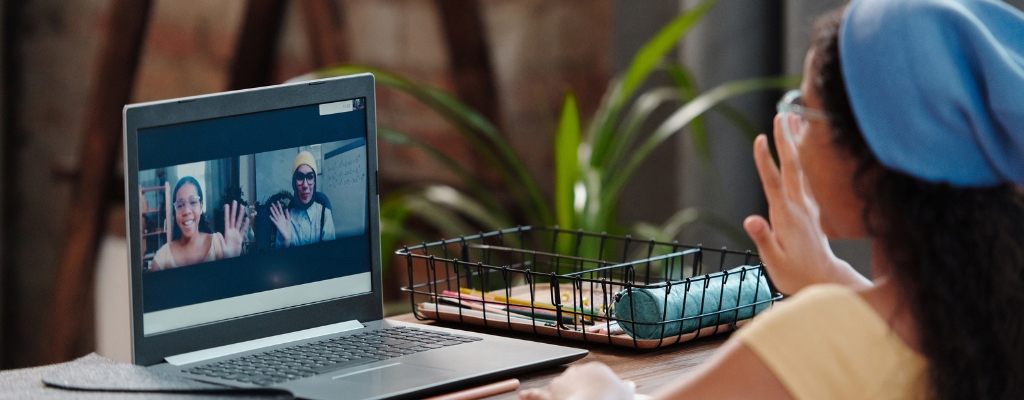
Even with these strengths, online therapy is not perfect. Some problems include-
- Tech troubles: Poor internet, old devices, or apps that do not work can stop a good session.
- Insurance confusion: Not all insurance plans pay for online therapy. You may face surprise bills.
- Not for every case: Some people need more support than a screen can give. In deep crisis or with serious mental illness, you may need in-person care fast.
- Harder with small kids or groups: Online sessions with young children or families can have limits.
Strengths and Weaknesses of In-Person Counseling
Talking with someone face-to-face is still how many people picture therapy. This way feels real. It allows the therapist to notice more—your body language, tears, or even that you grip your hands tightly. These things can help the therapist find new ways to help.
If you are looking for individual therapy in Mountain View, in-person sessions can build deep trust and offer stronger, more immediate care.
Benefits of In-Person Counseling
In-person counseling brings strong support and real-time comfort. Some of the top good points are-
- Personal touch: You form a deep bond with your counselor. Small signs like tone, smiling, or hand movements matter.
- Right there for you: If you feel upset and cry, your therapist can hand you tissues or be still with you. In-person care often feels safer when things get hard.
- Better for tough cases: If you face a big crisis or need strong support, in-person sessions help more. The counselor can act right away if you need extra help or outside support.
- No tech needed: No need to open apps or worry about Wi-Fi. You just show up and talk.
Drawbacks of In-Person Counseling
There are some clear limits to going in for counseling. These include-
- Travel time and stress: You may need a car or good transport. Some people live far from clinics or offices, so getting help takes hours.
- Higher costs: Office visits can cost more. There are extra costs too, like gas, time away from work, and child care.
- Harder to stay private: You may see people you know in the waiting room. A small town can make this worse.
- Making time: Many offices only offer day hours, so you may miss work or school.
- Waiting lists: In some places, you need to wait weeks or even months for a spot.
How to Choose Between Online Therapy and In-Person Counseling

Picking between online therapy and in-person counseling is a big step. The right fit depends on your life, health, and what you need.
Ask yourself these questions-
- How do I feel about using a screen to talk? If screens feel cold or strange, in-person may fit better.
- Do I need more choices or a flexible schedule? If you need night hours or many options, online therapy gives more freedom
- Is privacy a big worry? Some like the quiet of home. Others like to leave home for privacy away from family or roommates.
- Is the problem small or very big? For tough problems like strong sadness, danger to self, or deep trauma, in-person counseling is often safer.
- Can I get to an office often? If travel is hard or you have no child care, online therapy can be the best choice.
Tips to help you decide-
- Write down your needs and what matters most.
- Check if your health plan covers either choice.
- Talk to a trusted friend or family member.
- Try one way and see how it feels; you can always switch.
- Ask a doctor or counselor what they suggest.
The Bottom Line
Getting help for your mind and feelings is smart and brave. Both online therapy and in-person counseling work for many people. The best way matches your needs, your health, and your comfort. There is no perfect pick for everyone. Trust that you can change your choice if life changes. Ask for help when you need it. Support is out there – you just need to reach out and take the first step.