

A wellness retreat helps you reduce stress and recharge by removing you from daily pressures and immersing you in restorative, evidence-based practices that calm the nervous system and renew emotional balance. Through guided mindfulness, movement, and self-love psychology, these experiences promote both short-term relief and long-term resilience.
In today’s always-on world, where constant notifications and responsibilities leave many feeling drained, a mental wellness retreat offers a structured opportunity to rest, reset, and rebuild healthier habits. Unlike a standard vacation, a stress reduction retreat is intentionally designed to help you slow down, reconnect with your inner self, and learn practical techniques to carry home for sustained well-being.
Table of Contents
ToggleWhat Is a Wellness Retreat and Why Does It Matter
A wellness retreat (or mental wellness retreat) is a dedicated getaway, often set in tranquil natural surroundings, which provides a space to focus on well-being, away from the routine stressors of daily life. At a retreat, you’ll typically experience a curated programme that may include:
- Mindfulness meditation and guided relaxation
- Gentle movement such as yoga, tai chi, or nature walks
- Healthy, nourishing meals and opportunities for rest and reflection
- A supportive community of like-minded participants and facilitators
- Workshops or sessions about self-care, stress management and emotional resilience
What makes retreats particularly valuable is that they take place in an environment intentionally removed from your usual triggers, so you are able to “reset” your stress-response system. Research has found that time in natural environments, combined with structured wellness activities, can lead to measurable reductions in stress markers.
For patients seeking relief, this matters because the cumulative burden of chronically elevated stress, including high cortisol, impaired sleep, emotional exhaustion and decreased resilience, can degrade overall well-being. A retreat offers a strategic intervention: a concentrated “pause” to recharge, learn, and return with a stronger foundation.
How Stress Reduction Retreats Work: Mechanisms of Change
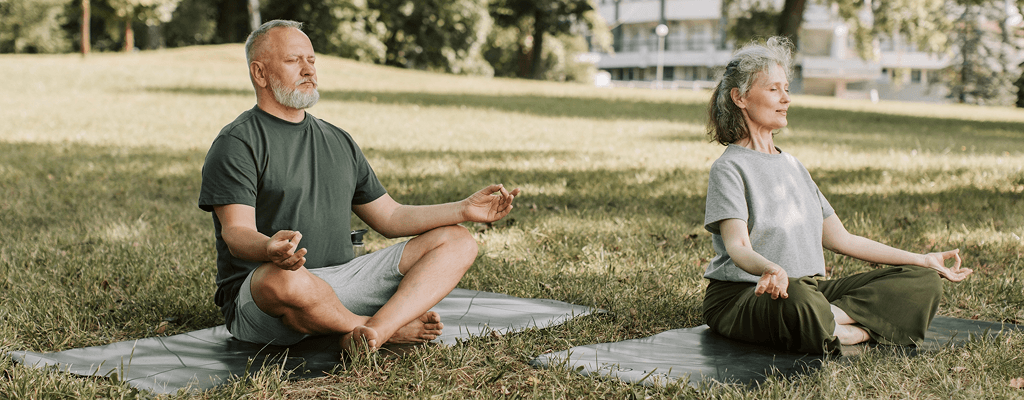
Understanding why retreats work helps to clarify what to expect and how to maximize the benefit. Here are key mechanisms by which a high-quality stress reduction retreat supports change:
1. Geographic and environmental disconnect
By stepping away from your day-to-day environment, the commutes, screens, emails, and role demands, you reduce constant activation of the stress response. Research shows immersion in nature and quiet environments correlates with lower blood pressure, lower cortisol, and improved mood.
2. Intentional rest and resetting
Retreats provide structured downtime, space for rest, reflection, sleep and reset. One study found that retreat participants reported significantly lower perceived stress after the program.
3. Mind-body practices and stress modulation
Interventions such as yoga, meditation and mindfulness are central to many retreats. These practices activate the parasympathetic nervous system (“rest & digest”), reduce sympathetic fight or flight activation, and help regulate the HPA-axis (hypothalamic-pituitary-adrenal).
4. Psycho-educational and self-love psychology application
A well-facilitated retreat will include workshops or discussions around topics such as self-compassion, boundary-setting, emotional regulation, and self-love psychology, the idea that nurturing a healthy relationship with yourself is foundational to resilience. This dimension helps ensure that what you learn isn’t just “relaxing while away” but builds capacity for sustained change.
5. Community and peer support
Connecting with others on a similar journey can reinforce change. Sharing experiences, practicing mindful communication, and mutual support reduce isolation and increase motivation. A retreat environment fosters this subtle but important benefit.
6. Habit formation in a concentrated window
While back home your life may be full of interruptions, a retreat provides a focused window (often days to a week or more) in which new habits (e.g., meditation, journaling, mindful movement) can be established in a context free of usual distractions. Evidence suggests that these preserved “windows” of practice can initiate lasting change.
What Happens During a Retreat: Expectation Setting
If you’re considering booking a stress reduction retreat, here’s a realistic outline of what a typical retreat day might look like (adjusted depending on length, location and provider):
- Early morning: gentle movement session (yoga/tai chi) or guided nature walk.
- Breakfast: nutritious, mindfully served meal, possibly with a short "intention‐setting" check-in.
- Mid-morning: workshop/interactive session on stress, mindfulness, self-compassion or self-love psychology.
- Midday: lunch, followed by time for rest/reflection, journaling or quiet time in nature.
- Afternoon: another movement or mindfulness session; optional individual or group counselling or guided meditation.
- Evening: dinner, then evening wind-down: a guided relaxation, breathing practice or group discussion.
- Overnight: rest in comfortable surroundings, often in a natural or tranquil environment; some retreats may include digital-detox or limited screen time.
What to bring in your mindset: Go with openness rather than rigid expectations. The goal is growth, not perfection. Use the time to explore, reflect, rest, and integrate.
Who it’s for: Anyone experiencing elevated stress, burnout, repeated overwhelm, needing a scheduled reset of mind and body, and willing to engage with self-care and growth.
How to Choose the Right Retreat & What to Look For

Since not all retreats are created equal, it’s important to be discerning. Here are factors to consider:
- Program content: Look for retreats that list evidence-based practices such as mindfulness, yoga, reflection, and that integrate emotional-mental wellness content (not just spa and leisure).
- Facilitator credentials: Ensure facilitators have appropriate training (mental health professionals, mindfulness teachers, yoga instructors) and that the program includes credible psychological/educational components.
- Setting & environment: A natural, peaceful setting helps amplify the benefits; nature exposure has independent positive effects on stress reduction.
- Integration plan: Choose a retreat that helps you plan how to bring the learnings back home; otherwise, the benefits may fade.
- Length and dosage: Even short retreats can help, but the more time you have, the more you can move beyond reset into transformation. Research suggests the benefits last for weeks after.
Conclusion
A wellness retreat isn’t just a break, it’s a turning point. It reminds you what it feels like to breathe deeply, think clearly, and move with purpose again. Whether you choose a quiet nature-based escape or a structured stress reduction retreat, the intention is the same: to help you rebuild balance from the inside out.
Through mindfulness, movement, and self-love psychology, you rediscover tools that support emotional clarity and long-term resilience. When you step away from constant demands, you give your body and mind the chance to heal, recharge, and return stronger, ready to handle life with more ease and confidence.
Ready to Begin Your Journey Toward Balance?
If stress has been taking a toll on your energy, focus, or mood, this is your sign to pause and reset. Explore MB Care to discover guided mental wellness retreats and evidence-based programs designed to help you relax, recharge, and restore your inner calm. Take your first step toward lasting peace, and your mind will thank you.
Frequently Asked Questions
How long should a mental wellness retreat be to make a difference?
Many retreats offer 3–7 day programmes, and studies show even one week can yield significant improvements in stress indicators.
That said, what matters most is how you engage during the retreat and how you follow up afterwards.
Can I still work or keep my phone/technology during the retreat?
Ideally, a retreat allows some digital disconnection or boundaries around device use. This helps the mind disengage from constant stimulation and stress-return loops. Many retreats include scheduled “screen-free” periods.
Is a retreat a substitute for therapy or medical care?
No, retreats are complementary to traditional mental health or medical care when needed. If you have a diagnosed mental health condition, check with your provider whether a retreat is appropriate. The retreat environment is a supportive enhancement to your overall care plan.
What if I can't travel to a remote location? Are there alternatives?
Yes, many clinics and retreat centres offer local “mini-retreats,” weekend programmes or even virtual retreats. While the setting may differ, the key elements (dedicated time, mindfulness, movement, rest) still apply. The essence is creating separation from your regular stress pattern.