
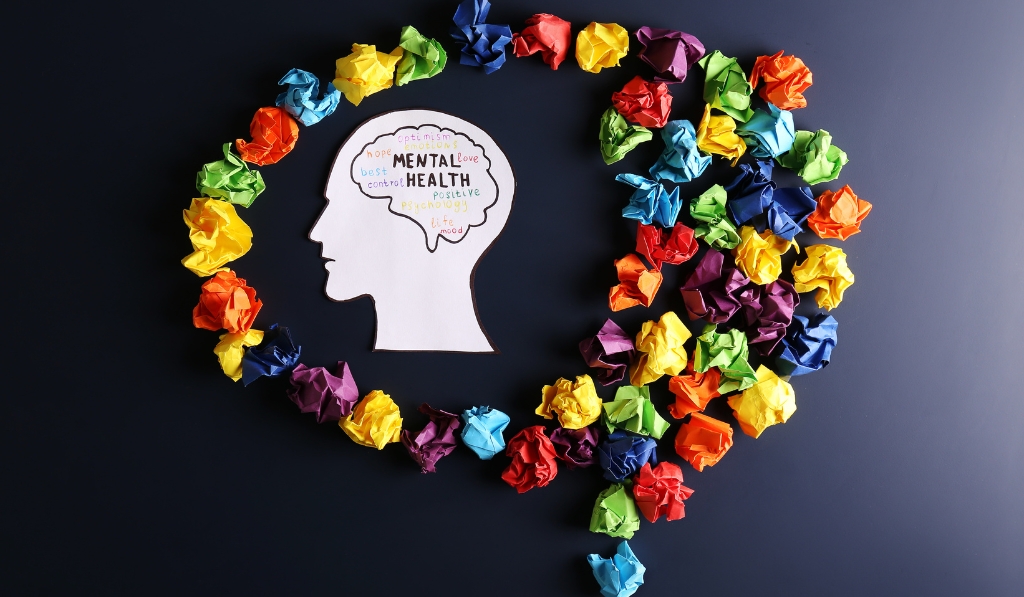
Men’s Mental Health Awareness Month focuses on raising awareness about the emotional and psychological challenges men face while encouraging open conversations around mental wellbeing. It matters because many men experience stress, depression, anxiety, and emotional burnout, but often do not seek help due to stigma or societal expectations.
In the United States, men are significantly less likely to access mental health support, even though they are highly affected by conditions such as chronic stress, sleep disturbances, and emotional suppression. This awareness month helps normalize therapy, reduce stigma, and promote early intervention so men can receive the support they need before symptoms worsen.
Table of Contents
ToggleWhat is Men's Mental Health Awareness Month?
Men’s Mental Health Awareness Month is a public awareness initiative designed to highlight the importance of mental and emotional wellbeing in men. It aims to educate individuals, families, and communities about how mental health conditions uniquely affect men and why early support is essential.
Unlike general mental health campaigns, this awareness month specifically focuses on the barriers men face, such as cultural expectations of masculinity, emotional suppression, and reluctance to seek therapy.
From a clinical perspective, untreated mental health issues in men often manifest as stress-related conditions, irritability, withdrawal, or physical symptoms like fatigue and insomnia. Raising awareness helps bridge the gap between symptoms and treatment.
Why is Men's Mental Health Awareness Month Important?
This month is important because it addresses a critical public health concern: men often suffer in silence.
Many men are taught from an early age to avoid expressing vulnerability, which can lead to emotional suppression. Over time, this increases the risk of:
- Chronic stress and burnout.
- Depression and anxiety disorders.
- Substance use as a coping mechanism.
- Increased suicide risk.
Another major concern is underdiagnosis. Men may not openly express sadness but instead show signs like anger, withdrawal, or physical exhaustion. Because of this, mental health conditions often go unnoticed until they become severe. In many cases, men may ignore early nervous breakdown symptoms such as emotional exhaustion, difficulty concentrating, irritability, or feeling unable to cope with daily responsibilities.
Awareness campaigns help normalize seeking support and encourage men to view mental health care as a strength rather than a weakness.
What Mental Health Challenges Do Men Commonly Experience?
Men experience a wide range of emotional and psychological challenges, but they often present differently compared to women. Instead of verbalizing distress, many men internalize emotions, which can lead to long-term psychological strain.
Common challenges include:
- Chronic stress and workplace burnout.
- Irritability and mood changes.
- Sleep disorders and fatigue.
- Emotional numbness or detachment.
- Anxiety and depressive symptoms.
These symptoms are often interconnected. For example, prolonged stress can lead to sleep disruption, which then worsens emotional regulation and cognitive function.
Recognizing the Signs of a Nervous Breakdown in Men
A nervous breakdown is not a medical diagnosis but rather a term used to describe severe emotional and mental exhaustion.
In men, common symptoms may include persistent fatigue, difficulty concentrating, emotional outbursts, or feeling unable to manage daily responsibilities. Some men may also experience panic attacks or withdrawal from social interaction.If left untreated, these symptoms can escalate into anxiety disorders or clinical depression.
How Do Stress And Insomnia Affect Men's Mental Health?
Stress and insomnia often create a cycle that negatively impacts both physical and mental health. When stress levels remain high, the body stays in a constant state of alertness, making it difficult to relax and sleep properly.
Over time, this leads to sleep deprivation, which can cause:
- Reduced focus and productivity.
- Increased irritability.
- Emotional instability,
- Lower stress tolerance.
This combination can significantly impact daily functioning and overall wellbeing.
Why Do Men Avoid Seeking Mental Health Support?

One of the biggest barriers to men’s mental health care is stigma. Many men fear being judged or perceived as weak if they openly discuss emotional struggles.
Cultural expectations also play a role. Traditional ideas of masculinity often emphasize strength, independence, and emotional control, which can discourage help-seeking behavior.
Additionally, many men do not recognize their symptoms as mental health-related. Instead, they may attribute them to work pressure, stress, or fatigue, delaying proper treatment.
What Are The Benefits Of Therapy For Men?
Therapy provides a structured and supportive environment where men can explore emotions, identify thought patterns, and develop healthier coping strategies.
Some key benefits include improved emotional awareness, better stress management, and stronger interpersonal relationships. Therapy also helps men understand that emotional expression is not a weakness but a necessary part of psychological health.
When combined with lifestyle changes, therapy can significantly improve overall mental wellbeing.
How Does Online Therapy Help Men?
Online therapy has become an effective and accessible option for many men, especially those who face time constraints or discomfort with in-person sessions.
One of the major online therapy benefits is the privacy, flexibility, and convenience it offers, allowing men to connect with licensed professionals from home. This reduces stigma and makes it easier to stay consistent with sessions.Research shows that online therapy can be just as effective as traditional therapy for conditions such as anxiety, depression, and stress-related disorders.
How Can Men Improve Their Mental Health Daily?
Improving mental health does not always require major life changes. Small daily habits can significantly improve emotional stability over time. For example, maintaining a consistent sleep schedule, engaging in regular physical activity, and reducing excessive screen time can help regulate mood and energy levels. Equally important is developing emotional awareness, acknowledging feelings instead of suppressing them.Simple actions like talking to a trusted friend or journaling can also help reduce emotional pressure and improve clarity of thought.
Breaking Free from Imposter Syndrome and Perfectionism
How to overcome imposter syndrome is a common concern for many men who struggle with self-doubt despite clear evidence of their success.To overcome it, it is important to reframe negative thoughts and recognize achievements objectively. Many men benefit from focusing on progress rather than perfection and seeking feedback from mentors or peers.Over time, this helps build confidence and reduces internal pressure.
When Should Men Seek Professional Help?
Men should seek professional help when emotional or psychological symptoms begin interfering with daily life, relationships, or work performance.
Warning signs include persistent sadness, withdrawal from social activities, changes in sleep or appetite, and difficulty concentrating. These symptoms should not be ignored, as early intervention leads to better recovery outcomes.
Mental health care is most effective when addressed early rather than after symptoms become severe.
Key Takeaways
- Men's Mental Health Awareness Month promotes emotional openness and early support.
- Men often experience mental health issues differently from women.
- Early recognition of symptoms is critical for prevention.
- Stigma remains a major barrier to treatment.
- Therapy and online counseling can significantly improve outcomes.
Conclusion
Men’s Mental Health Awareness Month plays an important role in encouraging men to recognize symptoms, speak openly, and seek support earlier. Mental health challenges can affect work, relationships, sleep, and overall wellbeing. With greater awareness, reduced stigma, and access to therapy, men can build healthier coping strategies and improve their quality of life over time.
Take the First Step Toward Better Mental Health
If stress, burnout, anxiety, or sleep issues are affecting your daily life, professional support can help. With Online Appointments available, speaking with a therapist at MB Care can provide practical tools, emotional clarity, and healthier ways to manage challenges before they become overwhelming.
Frequently Asked Questions
What is Men's Mental Health Awareness Month?
It is an awareness initiative focused on improving understanding of men’s mental health and encouraging early support.
Why is men's mental health important?
Because men often avoid seeking help, leading to untreated stress, depression, and other mental health conditions.
What are common signs of mental health issues in men?
Stress, irritability, sleep problems, fatigue, withdrawal, and emotional numbness.
Can therapy help men?
Yes, therapy helps men manage emotions, reduce stress, and improve mental resilience.
Is online therapy effective for men?
Yes, online therapy is highly effective and offers privacy, accessibility, and flexibility.