
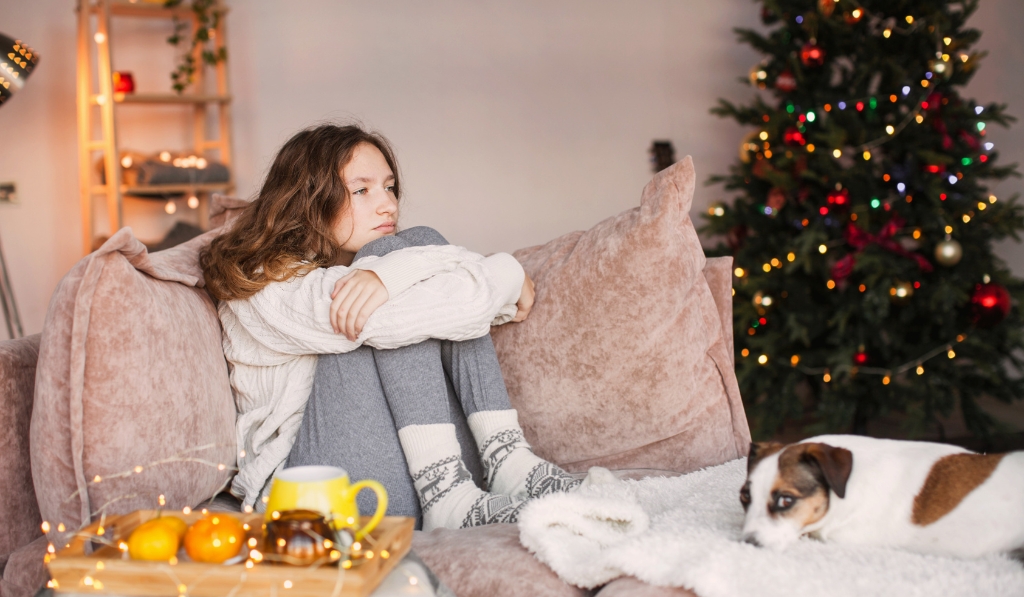
You see a holiday invitation arrive, and instead of feeling excited, your first thought is, How am I going to get through this? Family expectations, packed schedules, financial pressure, grief, and difficult relationships can turn a season of celebration into a source of dread.
Holiday anxiety is increased worry, stress, dread, or emotional overwhelm connected to the holiday season. It isn’t a formal mental health diagnosis, but the pressures surrounding the holidays can make existing anxiety or stress feel much harder to manage.
And you’re not alone. In a 2023 American Psychological Association survey of 2,061 U.S. adults, 89% said at least one concern caused them stress during the holiday season, while 43% said holiday stress interfered with their ability to enjoy the season.
The good news is that you don’t have to eliminate every stressful situation to feel better. Understanding your triggers, setting realistic boundaries, and knowing when to seek support can make the season more manageable.
Table of Contents
ToggleWhat Is Holiday Anxiety?
Holiday anxiety describes increased worry or emotional distress that occurs around the holiday season. It may involve family conflict, social expectations, financial concerns, grief, travel, changes in routine, or pressure to make everything feel perfect. Feeling stressed during a busy season doesn’t automatically mean you have an anxiety disorder. NIMH explains that occasional anxiety is a normal part of life, while anxiety disorders involve symptoms that persist, occur across situations, or become increasingly difficult to manage.
That’s why the better question isn’t simply, Am I anxious? It’s also: How much is this anxiety affecting my everyday life?
Why Do the Holidays Trigger Anxiety?
Holiday anxiety rarely comes from one thing. More often, several stressors pile up at the same time.
Family Conflict and Difficult Relationships
Going home for the holidays can bring you back into familiar family dynamics. Old arguments, criticism, unresolved resentment, or uncomfortable questions about your personal life can make a gathering stressful before you even arrive. For example, you may already be stretched thin at work, worried about money, and anticipating conflict with a family member. None of those concerns may feel overwhelming alone. Together, they can create a much heavier emotional load.
MB Care works with individuals, couples, and families dealing with relationship concerns and difficult communication patterns.
Social Pressure and Social Anxiety
Parties, work events, family gatherings, and travel can leave little time to recharge. If you experience social anxiety, the expectation to talk, participate, or appear happy can add another layer of pressure.
APA’s holiday stress survey found that 45% of respondents reported anxiety about attending public gatherings during the holidays.
Grief and Missing Someone
The holidays can make someone’s absence feel especially noticeable. A first holiday season after a death, divorce, breakup, or estrangement may bring difficult emotions to the surface. You don’t have to force yourself to feel cheerful. Changing a tradition, spending less time at a gathering, or creating a new ritual can be reasonable ways to navigate a difficult season.
Money and Gift-Giving Stress
Travel, meals, gifts, and other holiday expenses can quickly add up. In the APA survey, 58% of U.S. adults said spending too much or not having enough money to spend caused holiday stress. Financial pressure can become especially difficult when you also feel responsible for making the holidays special for everyone else
The Pressure to Have a Perfect Holiday
Social media can make it seem as though everyone else has a perfect family, beautifully decorated home, and effortless celebrations. Real life rarely looks that neat. Trying to recreate that image can leave you exhausted before the holiday even begins.
Holiday Anxiety Symptoms: What to Look For
Holiday anxiety symptoms can vary from person to person. You might notice:
- Difficulty sleeping.
- Muscle tension or headaches.
- Irritability or emotional exhaustion.
- Persistent worry or racing thoughts.
- Physical symptoms such as a racing heart or upset stomach.
- Trouble concentrating.
- Feeling unable to relax.
- Changes in eating habits.
- Avoiding people or situations.
- Dreading family or social events.
Experiencing one or two of these symptoms doesn’t necessarily mean you have an anxiety disorder. What matters is the overall pattern, including the intensity, persistence, and effect on your daily functioning.
Holiday Anxiety vs. Holiday Stress: What's the Difference?
Holiday stress is often tied to specific demands: a crowded schedule, an expensive gift list, travel, or a difficult family event. Holiday anxiety may involve more persistent worry, dread, avoidance, or physical symptoms that continue beyond one stressful situation. You don’t need to diagnose yourself based on an online checklist. If anxiety is interfering with your sleep, work, relationships, or daily activities, a mental health professional can help you understand what’s happening
How Can You Manage Holiday Anxiety?
You don’t need to make every stressful situation disappear. Start by focusing on what you can control.
At Mind-Body Care, our therapists use mindfulness-based stress reduction along with cognitive behavioral therapy so you get the calming piece and the thinking piece together. That combination helps when your stress shows up as both a racing mind and a tight body.
What Should You Do When You're Feeling Overwhelmed at Work?
Overwhelm needs triage, not a full life overhaul. Start by shrinking the problem to the next hour.
Identify Your Biggest Triggers
Before the season gets too busy, ask yourself:
- What am I worried will happen?
- Who or what tends to trigger me?
- What boundary would make it easier?
- What part of this situation can I control?
For example, if family questions about your finances make you anxious, your solution may not be avoiding the entire gathering. It may be deciding beforehand that you’re not going to discuss money.
Set Realistic Expectations
You don’t have to attend every event, maintain every tradition, or make every person happy. The APA recommends managing expectations and prioritizing well-being when dealing with holiday stress.
Protect Your Normal Routine
Holiday schedules can make sleep, meals, exercise, and downtime disappear. Try to preserve the routines that help you feel grounded. These stress management techniques aren’t a replacement for professional treatment when anxiety is severe, but they can be part of a broader approach to managing everyday stress.
If you’re balancing work, parenting, and holiday responsibilities, simple self-care tips for working moms, such as protecting uninterrupted time or saying no to one unnecessary commitment, can also help reduce overload.
Set Boundaries With Family
A boundary doesn’t have to become an argument. It can simply clarify what you will participate in. Try:
- I'd rather not talk about that today.
- I'm not comfortable discussing that.
- Let's change the subject.
- I'm going to step outside for a few minutes.
You can care about your family without accepting every conversation or interaction.
Give Yourself an Exit Plan
If a gathering makes you anxious, decide beforehand how long you want to stay and what you’ll do if you become overwhelmed. For example, you might decide to stay for two hours, drive yourself, and give yourself 20 minutes alone afterward. Having a plan can make an uncertain situation feel more manageable.
What If Holiday Anxiety Is Connected to Trauma or Grief?
Sometimes holiday anxiety isn’t really about the holiday itself. Certain traditions, family interactions, dates, or situations can bring difficult memories or emotions to the surface. If past experiences are affecting your current relationships or sense of safety, trauma-focused therapy may be worth discussing with a qualified professional. If you’re searching for trauma therapy in the Bay Area, MB Care offers trauma therapy alongside individual, couples, and family therapy.
Grief may also require something different from simply staying positive. You might change a painful tradition, acknowledge someone who is missing, or give yourself permission to participate only as long as feels manageable.
When Should You Seek Help for Holiday Anxiety?
Consider talking with a mental health professional if anxiety:
- Leads you to consistently avoid important activities.
- Feels difficult to manage on your own.
- Continues beyond the holiday season.
- Continues or becomes more intense.
- Interferes with sleep or daily responsibilities.
- Causes significant relationship problems.
NIMH notes that psychotherapy can help people address persistent worry, relationship or family problems, long-term stress, and other concerns affecting daily functioning. Treatment options depend on the person’s needs and circumstances. Seeking help doesn’t mean you’ve failed to cope. Sometimes it simply means you’ve recognized that the problem deserves more support than you can provide yourself.
Conclusion
The holidays don’t have to be perfect to be meaningful. If you’re feeling anxious, overwhelmed, or emotionally exhausted, start by identifying what’s actually creating the pressure—and what you can change. If holiday anxiety is affecting your relationships, sleep, work, or emotional well-being, professional support can give you a place to understand what’s happening and develop healthier ways to cope
MB Care provides individual, couples, and family therapy for concerns including anxiety, relationship challenges, grief, trauma, and stress management. The practice offers in-person services in the Bay Area and virtual therapy throughout California.
Ready to get support? Schedule a consultation with MB Care.
Frequently Asked Questions
What is holiday anxiety?
Holiday anxiety is increased worry, stress, dread, or emotional overwhelm associated with the holiday season. It may be connected to family conflict, social pressure, finances, grief, travel, disrupted routines, or unrealistic expectations.
Why do I feel anxious during the holidays?
Several stressors can occur at once during the holidays. Family conflict, financial concerns, social obligations, grief, and pressure to create a perfect celebration can all contribute to feeling anxious or overwhelmed.
What are the symptoms of holiday anxiety?
Symptoms can include persistent worry, racing thoughts, irritability, difficulty sleeping, physical tension, trouble concentrating, avoidance, and feeling overwhelmed by family or social situations.
How can I manage holiday anxiety?
Identify your triggers, set realistic expectations, protect your normal routines, establish boundaries, and create an exit plan for difficult situations. If anxiety is interfering with everyday life, consider speaking with a mental health professional.
Why does my family make me anxious during the holidays?
Returning to familiar family environments can bring old conflicts, expectations, and communication patterns back into focus. Setting boundaries and preparing for difficult interactions may help.