
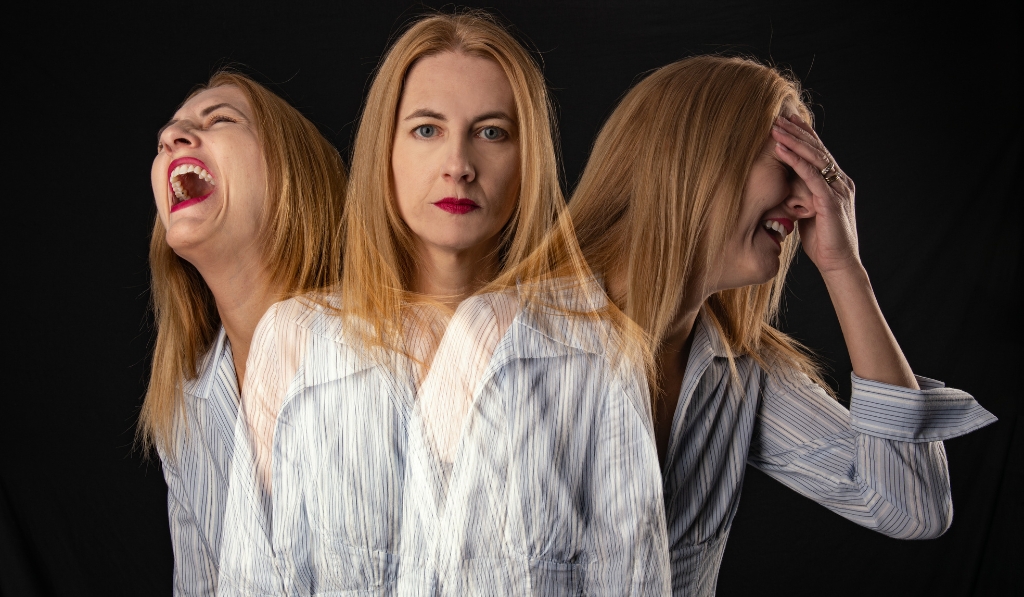
An emotional rollercoaster refers to sudden and intense changes in mood that can feel overwhelming and difficult to control. It often happens when a person experiences rapid shifts between happiness, sadness, anxiety, frustration, or calmness within a short period of time.
Emotional rollercoaster meaning is best understood as a state of emotional instability where internal or external triggers disrupt emotional balance. These emotional ups and downs’ causes are often linked to stress, unresolved psychological triggers, relationship dynamics, or mental exhaustion.
In this blog, we will explain what an emotional rollercoaster really means, why it happens, and how you can manage it using simple and practical strategies supported by mental health practices used in clinical care settings.
Table of Contents
ToggleWhat Is Emotional Rollercoaster Meaning?
Emotional rollercoaster refers to frequent and intense mood changes that feel unpredictable. A person may feel happy in one moment and suddenly shift to sadness, anger, or anxiety without a clear reason.
Key Points:
- Rapid mood fluctuations.
- Difficulty maintaining emotional stability.
- Often linked with stress or psychological triggers
- Common in anxiety, depression, and burnout states
This condition is often associated with emotional regulation difficulties and nervous system overload.
What Causes Emotional Ups and Downs?
Emotional ups and down causes can vary from person to person, but common triggers include:
- Hormonal Imbalance Hormonal changes can affect mood regulation.
- Sleep Deprivation Poor sleep impacts emotional control and increases irritability.
- Overstimulation Too much information, screen time, or workload can overwhelm the mind.
- Chronic Stress Long-term stress disrupts brain chemistry and leads to emotional instability.
- Mental Health Conditions Conditions such as anxiety or depression can intensify emotional swings.
What Are Emotional Triggers?
Emotional triggers are situations, thoughts, or memories that cause strong emotional reactions.
Common triggers include:
- Financial stress.
- Past trauma reminders.
- Work pressure.
- Conflict in relationships.
Key Insight:
Understanding emotional triggers helps reduce emotional reactivity and improve emotional regulation over time.
Signs You Are Experiencing Emotional Overload
Signs include:
- Difficulty focusing.
- Emotional exhaustion.
- Feeling overwhelmed frequently.
- Sudden mood changes.
- Crying spells or anger bursts.
- Irritability without a clear reason.
These symptoms often indicate the mind is struggling to process stress effectively.
How Emotional Security In Relationships Affects Mood ?
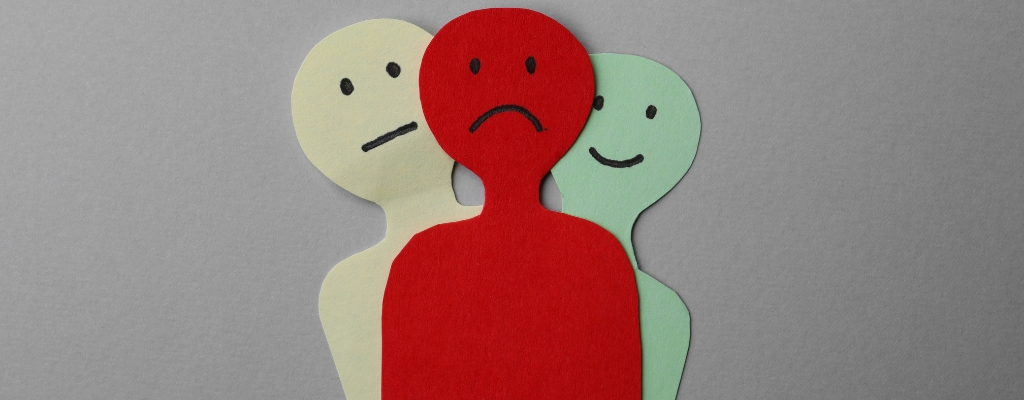
When emotional security is strong:
- Stress levels decrease.
- Emotional exhaustion.
- You feel safe and supported.
When emotional security is weak:
- Increased anxiety.
- Emotional instability.
- Fear of rejection.
- Frequent misunderstandings.
Healthy communication and trust are key to reducing emotional rollercoaster patterns in relationships.
Stress And Emotional Instability Connection
Stress activates the body’s fight-or-flight response, which can lead to emotional imbalance if prolonged.
Effects include:
- Mood swings.
- Reduced patience.
- Increased anxiety.
- Emotional exhaustion.
Chronic stress is one of the strongest contributors to emotional instability.
How Do You Manage Stress Effectively?
Here are clinically recommended stress management techniques:
Deep Breathing Exercises (Reset Your Nervous System)
Deep breathing helps activate the body’s relaxation response and reduces emotional intensity.
How it helps:
- Lowers stress hormones instantly.
- Improves focus during overwhelming moments.
- Calms rapid emotional reactions.
Regular Physical Activity (Release Emotional Tension Naturally)
Movement is one of the most effective ways to stabilize mood and reduce stress buildup.
How it helps:
- Releases endorphins (natural mood boosters)
- Improves focus during overwhelming moments.
- Reduces anxiety and irritability
Examples: Walking, yoga, stretching, light cardio, or any consistent movement you enjoy.
Structured Daily Routine (Create Emotional Predictability)
A stable routine helps reduce emotional chaos and gives your mind a sense of control.
How it helps:
- Reduces uncertainty-driven stress.
- Builds consistency in mood and energy.
- Improves emotional regulation.
Tip: Keep fixed sleep, meal, and work times whenever possible.
Journaling (Identify Emotional Triggers Clearly)
Writing down your thoughts helps you understand what is driving your emotional ups and downs.
How it helps:
- Identifies emotional triggers and patterns.
- Reduces mental clutter and overwhelm.
- Helps process difficult emotions safely.
Try this: Write 3 things you felt + what triggered them + how you reacted.
Mindful Breaks (Prevent Emotional Overload)
Short pauses during the day help reset your mind before stress builds up.
How it helps:
- Prevents emotional burnout.
- Improves clarity and patience.
- Reduces impulsive reactions.
Simple practice: Step away for 2–5 minutes, breathe slowly, and focus only on the present moment.
If emotional symptoms persist, professional support may be helpful through mental health services such as those offered at MB Care.
When Should You Seek Professional Help?
You should consider professional help if:
- Self-control feels difficult.
- Mood swings affect daily life.
- Relationships are suffering.
- Anxiety or sadness persists for weeks.
Therapy can help identify emotional patterns and build long-term coping strategies.
Conclusion
Emotional rollercoaster experiences are common, but they are not something you have to live with long-term. Understanding emotional rollercoaster meaning, identifying emotional ups and downs causes, and learning to manage emotional triggers can significantly improve emotional stability. With the right stress management techniques and support systems, individuals can regain control over their emotional well-being and build healthier relationships grounded in emotional security.
If symptoms continue or intensify, seeking professional support can be a helpful step toward long-term emotional balance and mental wellness
Take Control of Your Emotional Rollercoaster Today
If you often feel emotionally overwhelmed, stuck in mood swings, or unable to understand your emotional triggers, you don’t have to manage it alone. At MB Care, we help individuals understand the root causes of emotional ups and downs and build practical coping skills through structured mental health support.
Whether your emotional rollercoaster is linked to stress, relationships, or daily life pressure, our goal is to help you regain emotional stability, improve emotional security in relationships, and develop long-term stress management techniques that actually work in real life.
Start your emotional balance journey today. Contact us at MB Care.
Frequently Asked Questions
Is an emotional rollercoaster a mental illness?
Not always. It is often a symptom of stress, anxiety, or emotional dysregulation.
Can stress cause emotional ups and downs?
Yes, chronic stress is a major cause of mood instability.
How do I stop feeling emotionally overwhelmed?
Using stress management techniques and identifying triggers can help reduce emotional overload.
Can relationships trigger emotional rollercoasters?
Yes, especially when emotional security is low or communication is weak.
When should I see a therapist?
If emotional instability affects your daily functioning or relationships, professional help is recommended.